Ceramic Coating vs Wax in Colorado: What Fort Collins Drivers Should Know Before Choosing
Wax and ceramic coating are not the same category of protection. For Colorado drivers dealing with strong UV, road grime, bug residue, and winter chemicals, ceramic coating typically offers longer-lasting protection and easier maintenance than wax. Trofe explains the practical differences so you can choose what makes sense for your vehicle.
Honest comparisons, no hype, and guidance based on Colorado conditions.
Honest Answers About Ceramic Coatings vs Wax
- Ceramic Coating: Longer Protection, Easier Maintenance
- Wax: Temporary Shine, More Frequent Reapplication
- Colorado Conditions Favor Durable Protection
- Prep Quality Matters for Both
Ceramic Coating and Wax Are Different Categories
If you are trying to decide between ceramic coating and wax for your vehicle in Colorado, the most useful starting point is understanding that you are comparing two different approaches to paint protection.
Wax is a temporary protective layer that adds shine and some surface protection for a limited period. It wears off gradually through washing, weather exposure, and normal driving. Wax can still make paint look better temporarily, but it requires regular reapplication to maintain protection and appearance.
Ceramic coating is a longer-term protective layer that bonds to properly prepared paint and typically outlasts wax by a wide margin. It provides stronger protection from contamination, UV exposure, and environmental wear while making routine maintenance easier over time.
For most Colorado drivers, ceramic coating offers better long-term value because it handles local conditions more effectively and reduces the frequency of reapplication. The tradeoff is higher upfront investment and the need for proper surface preparation before installation.
Wax still has a place for some owners, particularly those who enjoy the process of regular application or who want a low-cost way to improve appearance temporarily. But for lasting protection in Northern Colorado conditions, ceramic coating is typically the stronger choice.
How Wax and Ceramic Coating Handle Colorado Weather and Exposure
Fort Collins and Northern Colorado driving conditions make the comparison between wax and ceramic coating more relevant than it might be in milder climates.
Colorado UV exposure is strong year-round, and UV breakdown affects both paint and protective products over time. Wax offers some UV protection while it lasts, but it degrades relatively quickly under intense sun. Ceramic coating provides more durable UV resistance and maintains its protective properties longer under the same exposure.
Dust and road grime are constants through much of the year in this region. Wax can help contamination release during washing, but as the wax wears thin, that benefit diminishes quickly. Ceramic coating helps dust, dirt, and road film release more consistently over a much longer period.
Bug residue during warmer months can be acidic and damaging if it sits on the paint. Both wax and ceramic coating help with easier removal, but ceramic coating maintains that protective barrier longer through bug season and beyond.
Winter brings road chemicals, salt, and harsh conditions that are particularly challenging for paint protection. Wax may help initially, but it typically wears off quickly under winter driving conditions. Ceramic coating provides more consistent protection through freeze-thaw cycles and chemical exposure.
Seasonal temperature swings put stress on all surface materials. Ceramic coating is generally more stable under temperature changes than wax, which can soften in heat and become less effective in cold weather.
The practical result is that ceramic coating typically handles Colorado conditions better and longer than wax, which translates to both better protection and less frequent maintenance for most local drivers.
The Biggest Difference: How Long Protection Lasts and What Maintenance Looks Like
The most significant practical difference between ceramic coating and wax is durability and what that means for ongoing maintenance.
Wax provides noticeable protection and shine for a limited period under normal conditions. In Colorado, with strong UV exposure, temperature changes, and regular contamination, wax usually needs regular reapplication to maintain effectiveness. That means more ongoing investment of time and money to keep protection active.
Ceramic coating, when properly installed over prepared paint, typically maintains its protective properties much longer than wax. The exact timeline depends on usage, storage, and maintenance habits, but the protection generally lasts significantly longer before needing renewal.
Maintenance differences are also important. With wax, you need to strip and reapply the product regularly to maintain protection. With ceramic coating, maintenance focuses more on proper washing technique and keeping the surface clean rather than frequent reapplication.
Both options still require the vehicle to be washed regularly. The difference is that ceramic coating typically makes that washing process easier and more effective over time. Contamination releases more readily from a coated surface, so regular maintenance tends to be less labor-intensive.
Neither option makes a vehicle maintenance-free, but ceramic coating generally reduces the frequency and effort required to keep the paint protected and looking good.
For Colorado drivers who want to minimize the time and frequency of protection maintenance while maximizing durability, ceramic coating typically delivers better long-term value than repeated wax applications.
Understanding the Investment: Upfront Cost vs Long-Term Value
The cost comparison between ceramic coating and wax is not straightforward because you are comparing different service categories and time horizons.
Wax has a lower upfront cost per application, but the protection is temporary. Over time, the cost of regular wax applications, plus the time investment required for reapplication, can add up significantly. For drivers who plan to keep their vehicle long enough to care about ongoing protection costs, the cumulative cost of maintaining wax protection may exceed the upfront investment in ceramic coating.
Ceramic coating has a higher upfront cost because it requires more preparation, takes longer to install correctly, and uses different materials than wax. However, the protection typically lasts much longer, which can make the cost per year of protection more favorable over time.
The value equation also includes convenience and results. Ceramic coating generally makes routine maintenance easier and provides more consistent protection, which has practical value beyond just the financial comparison.
Paint preparation is another factor that affects cost comparison. Quality ceramic coating installation typically requires thorough surface preparation and often paint correction to achieve the best results. Wax can be applied over less-than-perfect paint, but ceramic coating performs better when the surface is properly prepared first.
For Fort Collins drivers who want the most cost-effective protection over the longer term, ceramic coating often provides better value despite the higher initial investment. For those who prefer lower upfront costs and do not mind more frequent reapplication, wax can still be a reasonable choice.
Where Wax Fits and When It Might Be the Right Choice
Ceramic coating is not automatically the right answer for every vehicle owner. Wax still has legitimate uses and can be the better fit in certain situations.
Wax makes sense for owners who enjoy the hands-on process of regular vehicle care and see waxing as part of their routine rather than a chore. Some enthusiasts prefer the control and involvement that comes with frequent wax application.
For vehicles that are approaching the end of their useful life or will be sold soon, the lower upfront cost of wax may make more financial sense than investing in ceramic coating. If you are not planning to keep the vehicle long enough to benefit from ceramic coating durability, wax can provide temporary improvement at lower cost.
Budget considerations also matter. If the upfront investment in quality ceramic coating installation is not feasible right now, wax can provide some protection and appearance improvement while you save for more comprehensive protection later.
Wax can also be useful for testing how much you value paint protection and easier maintenance. If you find that regular waxing meets your needs and you enjoy the process, you may not need to move to ceramic coating. If you find wax maintenance frustrating or insufficient, that experience can inform your decision about ceramic coating.
The key is being honest about your goals, usage patterns, and preferences rather than assuming one option is always better than the other.
Surface Preparation: The Foundation That Affects Both Wax and Ceramic Coating Results
Whether you choose wax or ceramic coating, the condition of the paint surface underneath affects the final result significantly.
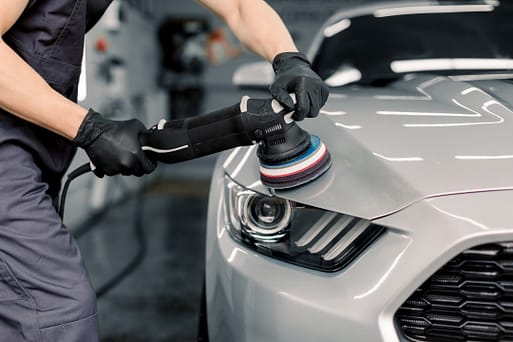
Wax can improve the appearance of less-than-perfect paint, but it does not fix underlying issues like swirl marks, oxidation, or embedded contamination. If the paint has visible defects, wax may make them less noticeable temporarily, but those issues remain in the finish.
Ceramic coating preserves what is underneath it more permanently. If the paint has swirl marks, dullness, or other defects when the coating is applied, those issues become locked in under the protective layer. That is why paint correction is often recommended before ceramic coating installation.
Proper surface preparation helps both products perform better. Clean, decontaminated paint allows wax to bond more effectively and last longer. For ceramic coating, thorough prep and correction when needed create the foundation for better bonding, appearance, and durability.
This is one area where working with a specialist matters regardless of which protection option you choose. A shop that evaluates paint condition honestly and addresses prep needs appropriately will deliver better results with either wax or ceramic coating than one that skips preparation steps.
For Colorado drivers dealing with paint that has accumulated wear from UV exposure, road grime, or previous poor maintenance, addressing those issues before applying protection often makes a significant difference in the final outcome.
How Trofe Helps Colorado Drivers Choose the Right Protection
When Fort Collins drivers ask about ceramic coating versus wax, the conversation should start with understanding the vehicle, the goals, and the realistic expectations for each option.
Trofe approaches the comparison by evaluating the actual condition of the paint, discussing how the vehicle is used and stored, and explaining what each protection option can and cannot do. The goal is to help owners make an informed decision rather than defaulting to the most expensive option.
If ceramic coating makes sense for the vehicle and the owner's situation, Trofe focuses on proper surface preparation, quality installation, and clear aftercare guidance to help the coating deliver its intended benefits over time.
If wax is the better fit based on budget, timeline, or personal preference, that recommendation should be made honestly rather than pushing toward a higher-priced service that does not match the owner's needs.
The prep-first mindset applies regardless of which protection option is chosen. Whether the vehicle gets wax or ceramic coating, starting with properly cleaned and evaluated paint creates a better foundation for lasting results.
For Northern Colorado drivers who want honest guidance about paint protection options, the conversation should focus on matching the service to the situation rather than selling a one-size-fits-all solution.
Common Questions About Ceramic Coating vs Wax in Colorado
Which lasts longer, ceramic coating or wax?
Ceramic coating typically lasts much longer than wax. Wax generally provides shorter-term protection, while properly installed ceramic coating maintains its protective properties for a significantly longer period. The exact timeline depends on usage, storage, and maintenance for both options.
Is ceramic coating worth the extra cost compared to wax?
For many Colorado drivers who plan to keep their vehicle and want longer-lasting protection with easier maintenance, ceramic coating often provides better long-term value despite the higher upfront cost. The answer still depends on your vehicle, budget, and goals.
Can I apply wax over ceramic coating?
Generally, this is not recommended or necessary. Ceramic coating is designed to be the top protective layer, and adding wax over it can interfere with the coating's performance. If you want to enhance a ceramic-coated vehicle, use products specifically designed to be compatible with ceramic coatings.
Does wax provide any protection that ceramic coating does not?
Both provide surface protection and help with contamination release, but ceramic coating typically offers more durable protection across all categories. Wax may be easier to apply and remove if you want to change protection products frequently, but ceramic coating generally provides superior long-term benefits.
Which is better for Colorado winters?
Ceramic coating typically handles winter conditions better than wax. Road chemicals, salt, and harsh weather tend to wear wax off quickly, while ceramic coating maintains more consistent protection through winter driving conditions. Both help with easier cleanup of winter contamination while they are effective.
Do I need paint correction before either option?
Paint correction is more important before ceramic coating because the coating preserves the surface condition more permanently. Wax can improve the appearance of imperfect paint temporarily, but ceramic coating locks in whatever condition exists underneath. For the best results with either option, addressing paint defects first is usually worthwhile.
Ready to Choose the Right Protection for Your Colorado Vehicle?
If you are trying to decide between ceramic coating and wax for your Fort Collins area vehicle, the most useful next step is a conversation about your specific situation, goals, and paint condition.
Trofe helps Northern Colorado drivers understand their options honestly and choose protection that matches their vehicle, budget, and expectations. Whether that means ceramic coating for long-term protection or wax for shorter-term improvement, the recommendation should be based on what makes sense for you.
For drivers who want lasting protection from Colorado conditions with easier maintenance over time, ceramic coating is typically the stronger investment. For those who prefer lower upfront costs and regular hands-on care, wax can still be a reasonable choice.
The key is making an informed decision based on realistic expectations rather than marketing promises.
Honest guidance, quality prep, and protection that matches your goals and conditions.
Paint Correction & Ceramic Coating Tailored to YOU!
Auto detailing is made easy with Trofe Detailing. We have decades of experience serving our communities right here in Fort Collins, Loveland, Longmont, Greeley and Boulder.
We offer paint correction and ceramic coating for your car or truck saving you time and hassle by picking up your car for you.Give us a call today, we are happy to answer your questions and get your car looking great!
Vehicles Vary in condition, Thus these numbers will Vary
Ceramic Coating
$
1000+
Most of the work for Ceramic Coating is prep work, just to ensure the surface is optimal before the coating applied. Ceramic Coatings last for years, we want to make sure everything is exact!
Most Compact Cars $1000
Most Sedans $1300
Most SUV-Trucks $1800
Paint Correction
$
300+
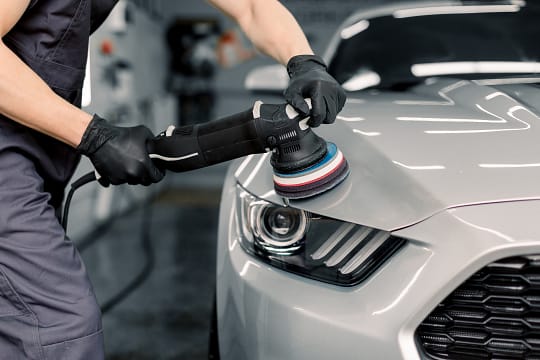
This starts by washing/strip any old wax off so we can start fresh.
Bugs, any contamination from car exhaust that has attached itself onto your paint surface plus the myriads of other things(tree sap etc) will be removed with a treatment using a clay bar. Your paint will feel like glass!!
Then we will polish it so you can see your reflection!
Ceramic Coating must be done after polishing, can not leave paint bare.
Join Our Happy Customers
Show us your car or truck and schedule your mobile detail now!
Contact Information
Email: darrell@trofeautodetail.com
Phone: 970-492-5766

Copyright 2026 Trofe Detailing, all rights reserved.