Paint Correction Before Ceramic Coating:
What Fort Collins Drivers Should Know Before They Protect Their Paint
If you are considering ceramic coating in Fort Collins, the most important question is whether your paint should be corrected first. Trofe helps drivers understand when correction matters, what it improves, and why proper prep shapes the final result more than the coating itself.
Straight answers about prep, paint condition, and what creates a better finish.
Quick Honest Information About Paint Correction
- Correction Creates the Foundation
- Coating Preserves What Is There
- Honest Evaluation Before the Work Starts
- Fort Collins Conditions Matter
- Better Expectations Before You Book
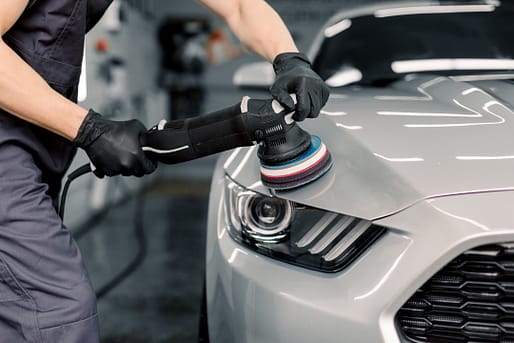
Do You Need Paint Correction Before Ceramic Coating?
Often, yes. Not always, but often enough that this question should be part of every serious coating conversation.
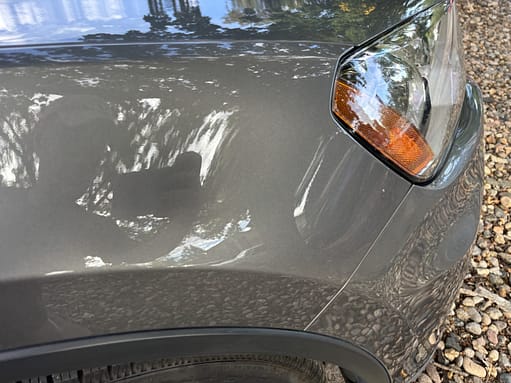
Ceramic coating preserves what lies beneath it. It does not remove swirl marks, haze, dullness, oxidation, or light scratches already present in the paint. When those issues exist at application, they become part of the final result.
This is why correction comes up so frequently before coating. Correction improves the surface first. Coating protects and preserves that improved surface afterward.
The right approach depends on your paint's condition, your vehicle's age, how it has been washed and stored, and what kind of finish you expect. A newer vehicle may need minimal correction. A daily driver exposed to years of Colorado sun and tunnel washes often needs more attention than owners realize.
Why Paint Correction Often Comes Before Ceramic Coating
Think of it this way: correction improves the surface, coating protects the improved surface.
When paint has swirl marks, dullness, or light defects, those issues remain visible unless corrected first. Ceramic coating may enhance the finish's richness through added gloss and depth, but it cannot erase the underlying condition.
For owners investing in lasting results, this matters significantly. A coated vehicle can still disappoint if the paint beneath was never properly evaluated or improved. This is where preparation becomes the difference between a routine coating job and a finish that truly delivers.
Serious coating work typically starts with inspection rather than one-size-fits-all packages. Some vehicles need only light correction. Others require more intensive polishing. Some are already in strong enough condition that correction stays minimal. The paint itself should drive the recommendation.
How to Tell When Your Vehicle May Need Paint Correction Before Coating
Many owners know they want ceramic coating but feel less certain whether their paint is ready.
Here are common signs that correction may deliver meaningful improvement first:
- Swirl marks visible in direct sunlight or under garage lighting
- Paint that looks dull, tired, or lacking depth
- Light haze from years of regular washing and drying
- Fine scratches that reduce clarity across the finish
- A vehicle that has spent years outside in Colorado conditions
- An owner who wants the finish to look as sharp as possible before protecting it

Some paint issues are easier to spot than others. A vehicle can appear decent in shade yet show significant surface wear once proper light hits it. This is why real evaluation proves more valuable than guessing from quick photos or assumptions.
If your goal is simply adding protection, that may suggest one approach. If you want the paint to look noticeably better and then protect that improvement, the answer may be different.
Not Every Vehicle Needs Heavy Correction Before Coating
This is where honest guidance matters most.
Not every vehicle requires aggressive correction before ceramic coating. Some newer vehicles have relatively healthy paint and need only careful wash, decontamination, and lighter polishing. Some owners focus less on chasing perfect clarity and more on protection and easier maintenance.
This does not make prep unimportant. It means the scope should match the actual vehicle and your goals.
A solid recommendation should account for:
- the age of your vehicle
- how the paint currently looks under proper light
- how much prior wash damage exists
- whether you prioritize protection, appearance, or both
- whether the vehicle is a daily driver, truck, SUV, or enthusiast vehicle
The right answer is not that every vehicle needs the biggest correction package. The right answer is that every coating job deserves an honest prep conversation first.
Colorado Conditions Make Prep and Paint Quality More Important Over Time
Fort Collins and Northern Colorado are hard on paint.
Strong UV exposure at altitude, dry dust, road grime, bug residue in warmer months, and winter road chemicals all add up over time. Even owners who wash regularly can still end up with swirl marks or a finish that has lost clarity without fully realizing it.
That local context explains why so many coating conversations turn into correction conversations too.
A vehicle that has been through several Colorado seasons usually shows more surface wear than a brand-new garage-kept vehicle. The more visible that wear pattern is, the more likely correction improves the final result before protection goes on.
For local drivers, this page should help set realistic expectations. Ceramic coating matters here. But the finish underneath the coating is what determines whether the result feels average or noticeably better.

Should You Get Paint Correction Only, or Correction Plus Ceramic Coating?
This depends on what you want from your vehicle.
Some owners mainly want the finish to look better. They want swirl marks reduced, gloss restored, and the paint to feel cleaner and sharper again. For them, paint correction alone may be the right move.
Other owners want both appearance improvement and long-term protection. They want the finish corrected first, then preserved with ceramic coating so the vehicle stays easier to maintain and keeps that improved look longer. For those drivers, correction plus coating is usually the better pairing.
These services work well together because they solve different parts of the problem:
- Paint correction improves the visible condition of the finish
- Ceramic coating helps protect and preserve that improved finish
If you are uncertain which path fits your vehicle, that is not a problem. It is exactly what the evaluation should determine.
Why This Conversation Should Feel Different with Trofe
Most ceramic coating marketing jumps straight to the protection package. Better service starts one step earlier.
Trofe should feel like the right fit for owners who want to understand what their paint actually needs before any recommendation is made. That means:
- examining the finish condition first
- being honest about whether correction would materially improve the result
- explaining what correction can and cannot accomplish
- matching the prep scope to your goals
- protecting the finish only after the surface is ready
That approach matters because disappointment in this category usually does not come from the coating itself. It comes from unrealistic expectations or from coating paint that was never properly prepared in the first place.
The better the prep conversation, the better the final result usually feels.
Northern Colorado Conditions Leave a Mark on Paint Over Time
Most vehicles driven regularly in Fort Collins accumulate surface wear faster than owners expect. That is not unique to this area, but Northern Colorado has a few specific conditions that make it easy to understand why paint correction is a common topic here.
UV exposure is strong. Colorado sits at altitude with more direct sun intensity than lower-elevation states, and UV breakdown on unprotected clear coat is real over years of daily exposure. That bleaching and dulling effect is part of what makes paint look tired.
Dust and road grime are constant through dry months. Fine particles settle onto the surface between washes, and removing them without care can introduce swirl marks over time. The same is true for bug residue during warmer months, which can be acidic enough to affect the surface if it sits.
Winter brings road chemicals and salt that work their way into lower panels and high-exposure areas. Freeze and thaw cycles, dirty rain, and slush add further wear to an unprotected finish.
Add regular washing over several years, and most vehicles have accumulated more surface-level wear than their owners realize until they see the finish in the right light.
For many Fort Collins drivers, paint correction is not about rescuing a badly damaged vehicle. It is about bringing back the clarity and gloss that regular use has gradually taken away. Trucks, SUVs, daily commuters, and enthusiast vehicles all pick up this kind of wear. In most cases, the finish can be improved in a way the owner can actually see.
Why Fort Collins Drivers Choose Trofe for Paint Correction Work
There is a real difference between a shop that offers polishing as an add-on and a shop that approaches correction as careful finish work.
Drivers who care about how their paint actually looks are not shopping for the cheapest polish pass. They want someone who will evaluate the paint honestly, explain what is possible with their specific vehicle, and do the correction work in a way that shows a real improvement.
That is where Trofe should feel different.
- an honest inspection and real conversation about what the paint needs before any work is quoted or scheduled
- clear explanation of what the correction process will and will not accomplish on the specific vehicle
- careful correction work focused on visible, meaningful improvement rather than a quick pass
- white-glove service and careful vehicle handling from drop-off through pickup
- a finish result that reflects the level of attention that went into it
- a straightforward next-step recommendation, whether that is ceramic coating, maintenance detailing, or simply enjoying the improved finish
If ceramic coating makes sense after correction, that conversation can happen at the right time. If it does not, that should be said clearly too. The goal is a recommendation that fits the vehicle and the owner's actual priorities.
What the Prep-to-Coating Process Usually Looks Like
Step 1: Evaluate the paint and your goals.
Trofe starts by understanding what you want from your vehicle and what the paint condition actually looks like under proper light.
Step 2: Wash and decontaminate the surface.
Before correction or coating, the paint needs thorough cleaning so bonded contaminants and buildup do not interfere with the result.
Step 3: Correct the finish as needed.
When swirl marks, haze, oxidation, or wash damage are present, correction improves the surface before anything gets sealed in.
Step 4: Apply ceramic coating once the paint is ready.
After the finish has been properly prepared, the coating can do its job of protecting that improved surface.
Step 5: Review maintenance and expectations.
You should leave understanding how to maintain the finish and what kind of care keeps the result looking right.
See Why Prep Changes the Final Result
The value of correction before coating becomes clearest when you can actually see it.
A finish with swirl marks and haze may still look glossy after coating, but a finish that has first been corrected typically looks cleaner, sharper, and more reflective. That difference is what serious owners are actually investing in.
Before-and-after proof helps show the gap between a vehicle that was simply protected and one that was properly prepared first.
Correction Only, or Correction Before Coating?
Not every vehicle that comes in for paint correction needs ceramic coating afterward. Some owners want a better-looking finish and are happy to maintain it with regular washing and periodic detailing. That is a perfectly reasonable outcome, and paint correction on its own delivers a real, lasting improvement.
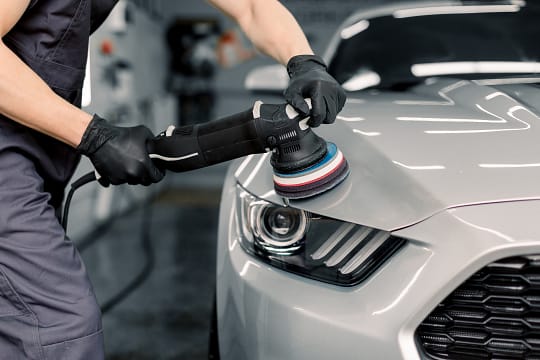
Other owners want the best of both: correction to create a cleaner, sharper surface, and ceramic coating to protect and preserve that improved finish over the long term. For those drivers, the two services work together directly. Correction creates the foundation. Coating protects it.
If you are not sure which path makes more sense for your vehicle and your goals, that is a good question to bring to the evaluation conversation. The answer should come from the actual condition of the paint, not from a default assumption.
For the protection side of that conversation, learn more about ceramic coating in Fort Collins.
Common Questions About Paint Correction Before Ceramic Coating
Do I always need paint correction before ceramic coating?
No. Some vehicles need very little correction, and some may only need a lighter prep step before coating. But many vehicles benefit from at least some level of correction because coating preserves whatever is currently present in the paint.
Why can't ceramic coating just hide swirl marks?
Because coating adds protection and gloss, not actual defect removal. If paint has visible swirl marks, haze, or light scratches, those issues typically remain unless the finish is corrected first.
Is correction before coating worth the extra cost?
For many owners, yes, especially when appearance matters to them. The extra value usually comes from the final look of the vehicle, not just protection alone. If you want a cleaner, sharper, more refined finish, correction often makes the difference.
What if my vehicle is newer?
A newer vehicle may need less correction than an older one, but new does not always mean defect-free. Transport, dealer washing, and early ownership washing habits can all leave marks in paint. This is why inspection still matters.
Can I just get paint correction without ceramic coating?
Yes. Some owners simply want the paint to look better and are not ready for coating. Paint correction on its own can still create a major visual improvement.
What Should You Read Next?
If you are still deciding, the best next page depends on the question you are really trying to answer.
If you want to understand the coating service itself, go to the main ceramic coating page. If you want to understand correction service in more detail, the paint correction page is the right next step. If your questions are broader and objection-based, the FAQ page gives you the fuller overview.
Want to Know Whether Your Vehicle Should Be Corrected Before Coating?
If you are considering ceramic coating and want the best result your paint can realistically deliver, the next step is not guessing. It is having your vehicle evaluated honestly.
Trofe helps Fort Collins and Northern Colorado drivers understand whether correction makes sense first, what kind of finish improvement is realistic, and what path fits your vehicle best.
Honest guidance, careful prep, and a finish strategy built around your vehicle's condition.
Paint Correction & Ceramic Coating Tailored to YOU!
Auto detailing is made easy with Trofe Detailing. We have decades of experience serving our communities right here in Fort Collins, Loveland, Longmont, Greeley and Boulder.
We offer paint correction and ceramic coating for your car or truck saving you time and hassle by picking up your car for you.Give us a call today, we are happy to answer your questions and get your car looking great!
Vehicles Vary in condition, Thus these numbers will Vary
Ceramic Coating
$
1000+
Most of the work for Ceramic Coating is prep work, just to ensure the surface is optimal before the coating applied. Ceramic Coatings last for years, we want to make sure everything is exact!
Most Compact Cars $1000
Most Sedans $1300
Most SUV-Trucks $1800
Paint Correction
$
300+
This starts by washing/strip any old wax off so we can start fresh.
Bugs, any contamination from car exhaust that has attached itself onto your paint surface plus the myriads of other things(tree sap etc) will be removed with a treatment using a clay bar. Your paint will feel like glass!!
Then we will polish it so you can see your reflection!
Ceramic Coating must be done after polishing, can not leave paint bare.
Join Our Happy Customers
Show us your car or truck and schedule your mobile detail now!
Contact Information
Email: darrell@trofeautodetail.com
Phone: 970-492-5766

Copyright 2026 Trofe Detailing, all rights reserved.